
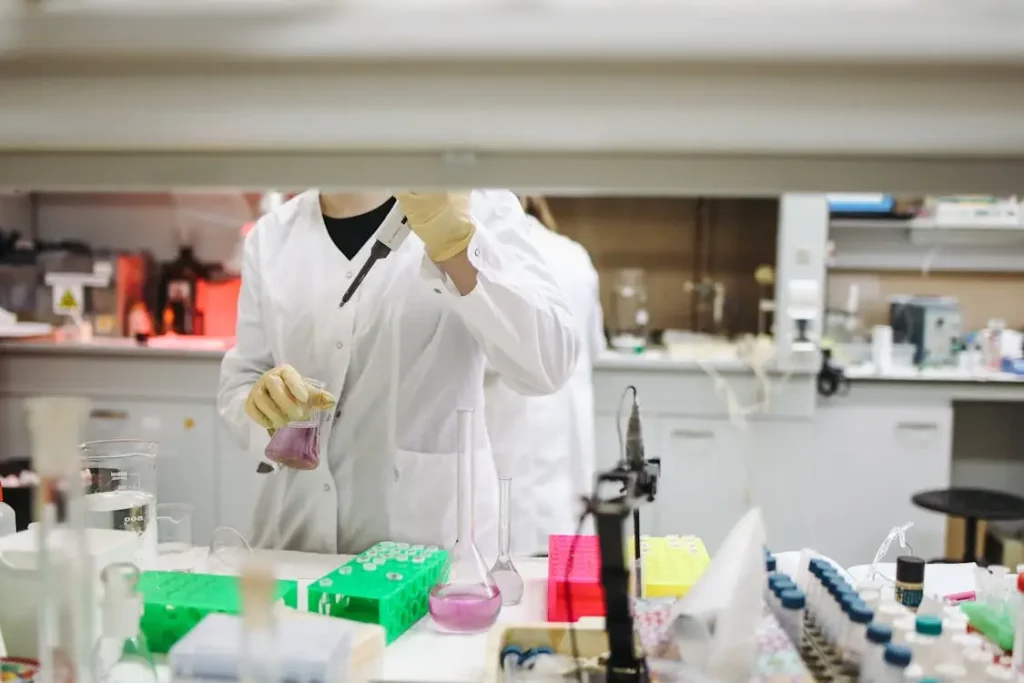
Entering a modern laboratory can feel like stepping into a high-tech world where every object has a specific, critical purpose. Whether it is a high-end research facility or a local medical clinic, the array of shiny glassware, humming machinery, and glowing digital screens is impressive. However, behind every successful scientific experiment or medical diagnosis lies a specific set of lab equipment and its uses. Understanding these tools is essential for anyone interested in science, medicine, or technology. From the simplest glass tube used for mixing to the most complex digital analyzer, every piece of lab equipment plays a vital role in the human quest for knowledge and health.
Common Equipment in a Lab: From Glassware to Analyzers
When most people think of a scientist, they imagine someone in a white coat holding a bubbling flask. While that is a classic image, glassware remains the literal and metaphorical backbone of most scientific work. The variety of common lab equipment used for holding, mixing, measuring, and heating liquids is vast and highly specialized. Each piece of glass is designed for a specific level of precision and chemical resistance.
- Beakers: These wide-mouthed, cylindrical containers are the workhorses of the laboratory. They are used for stirring, mixing, and heating liquids. While they have marked lines, these are only approximate; beakers are not designed for high-precision measurement.
- Graduated Cylinders: These are tall, narrow vessels specifically calibrated to measure the volume of liquids with high accuracy. When reading the volume, scientists must look at the “meniscus” – the curve of the liquid – at eye level to get the most accurate result.
- Erlenmeyer Flasks: Named after the German chemist Emil Erlenmeyer, these flasks have a flat, conical body and a narrow neck. This unique shape allows for vigorous swirling or mixing of liquids without the risk of splashing the contents out of the top.
- Test Tubes: These small, cylindrical glass tubes are perhaps the most common lab equipment for holding small samples during qualitative observations, chemical reactions, or centrifugation.
- Volumetric Flasks: Unlike a beaker, a volumetric flask is calibrated to contain a very specific volume of liquid at a particular temperature. They are essential for preparing standard solutions where the concentration must be exact.
- Pipettes and Micropipettes: These tools are used to transport a measured volume of liquid from one container to another. In modern molecular biology, micropipettes move incredibly tiny amounts of fluid, often measured in microliters.
- Glass Stirring Rods: Simple yet essential, these rods are used to stir liquids and facilitate chemical reactions or the dissolution of solids without reacting with the chemicals themselves.
- Petri Dishes: These shallow dishes are typically made of glass or plastic and are used by biologists to culture cells, such as bacteria or small mosses.
Science Lab Equipment Names and Functions You Should Know
To work safely and effectively in a technical environment, you must be familiar with science lab equipment names and how they operate. Misusing a tool can lead to broken glass, failed experiments, or even serious physical injury. Beyond the basic glassware, several mechanical, electrical, and thermal tools help scientists manipulate their samples under controlled conditions.
- Bunsen Burners: This is a classic piece of science lab equipment that most people recognize. It produces a single open gas flame, used for heating substances and sterilization through flame.
- Centrifuges: These machines spin samples at incredibly high speeds. The centrifugal force pulls heavier particles to the bottom of a tube, allowing scientists to separate liquids from solids, such as blood cells from plasma.
- Microscopes: These use a series of powerful lenses to magnify tiny objects, such as individual cells or bacteria, that are completely invisible to the naked eye.
- Digital Analytical Scales: Precision is everything in a laboratory. Digital scales allow researchers to weigh solid chemicals to the nearest milligram, ensuring that chemical reactions occur exactly as calculated.
- Hot Plates and Magnetic Stirrers: Unlike a Bunsen burner, a hot plate provides a steady, flameless heat source. Many include a magnetic stirring function, which uses a spinning magnet inside the machine to rotate a “stir bar” inside the beaker.
- Vortex Mixers: A compact device used to mix small vials of liquid quickly. It features a rubber cup that rapidly oscillates, creating a vortex in the tube to ensure complete homogenization.
- Spectrophotometers: These measure how much a chemical substance absorbs light by measuring the intensity of light as a beam passes through a sample solution.
- Fume Hoods: Large pieces of equipment in a lab that protect the user from inhaling toxic gases or vapors by ventilating the workspace and filtering the air.
A Comprehensive Lab Tools List for Clinical and Research Settings
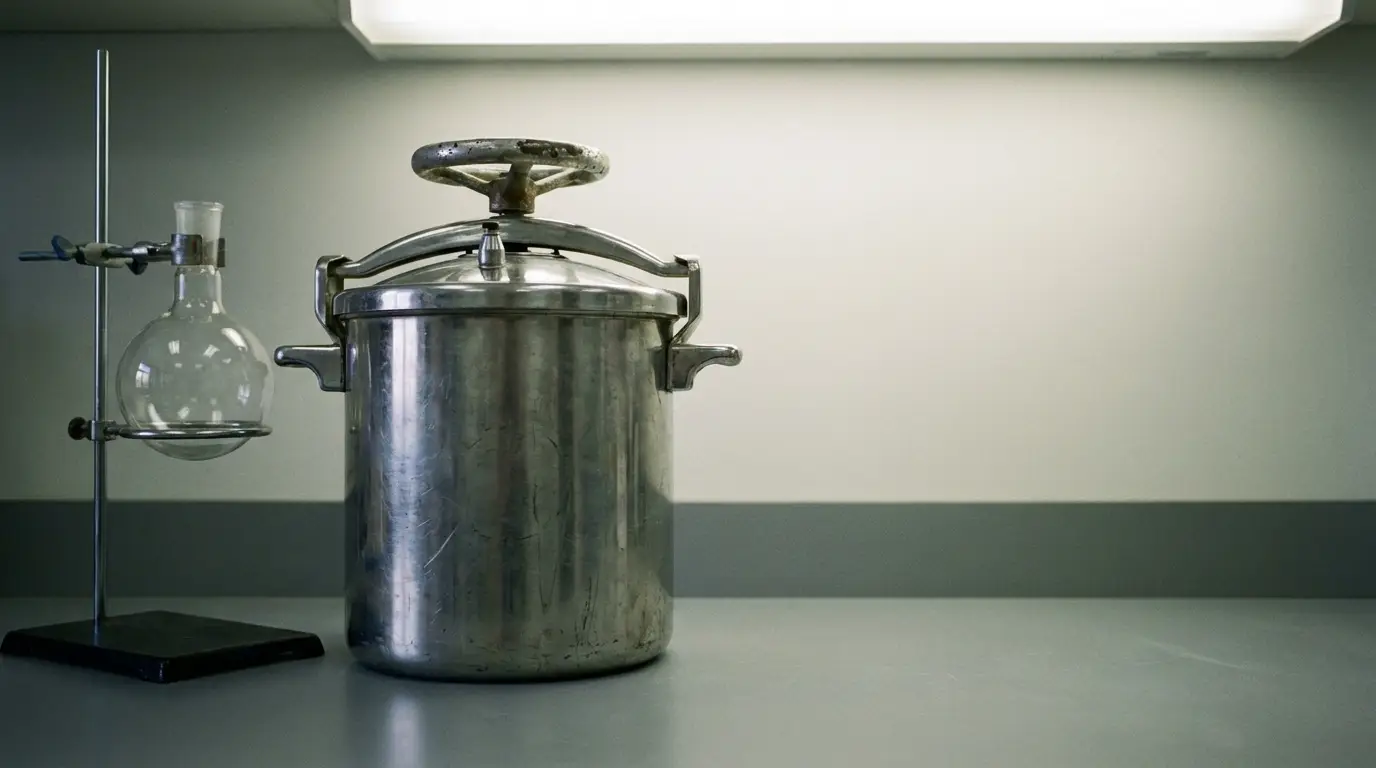
The specific needs of a laboratory vary significantly depending on its focus. A general lab tools list serves as a baseline, but specialized research requires specialized gear.
- Autoclaves: Sterilization is a cornerstone of lab safety. Autoclaves are used to sterilize lab equipment by subjecting it to high-pressure saturated steam, killing all pathogens.
- Electrophoresis Chambers: Used primarily in genetics, these chambers use an electric field to separate DNA, RNA, or protein molecules based on their size and electrical charge.
- Water Baths: When a sample needs to be heated gently or kept at a constant temperature for a long period, a water bath is used to prevent the direct heat of a flame from damaging delicate samples.
- Desiccators: Airtight containers used to preserve moisture-sensitive items. They contain a drying agent (desiccant) that absorbs water vapor from the chamber’s interior.
- Orbital Shakers: These devices use a circular shaking motion to mix substances or keep cells in suspension within flasks.
- Muffle Furnaces: Used for high-temperature applications such as ashing or heat-treating materials in a controlled environment.
- Freezers and Cryogenic Storage: Ultra-low-temperature freezers (–80°C) and liquid nitrogen tanks are used to preserve biological samples, such as stem cells, for years without degradation.
- Rotary Evaporators: Used for the efficient and gentle removal of solvents from samples by evaporation, often under reduced pressure.
- Wash Bottles: Squeeze bottles with a nozzle, used to rinse glassware, such as test tubes and flasks, typically filled with distilled water.
- Ring Stands and Clamps: These provide a stable structure to hold various pieces of laboratory instruments at specific heights during an experiment.
- Utilisations containers and tools: bin, disposable sharps container, biohazard utilization zip bag and lab-specific tool.
Medical Lab Equipment: Key Instruments for Diagnostics
When you visit a doctor for a blood test, your samples are sent to a specialized diagnostic facility filled with advanced medical lab equipment. These tools are designed for high-speed processing and extreme accuracy, as a patient’s treatment plan depends on the results.
- Hematology Analyzers: These perform complete blood counts (CBCs), automatically counting white blood cells, red blood cells, and platelets in a matter of seconds.
- Clinical Chemistry Analyzers: This type of medical lab equipment tests for various chemicals in blood or urine, such as glucose and cholesterol, to monitor organ function.
- Coagulation Analyzers: These machines measure a patient’s blood’s “clotting time,” which is vital for surgery prep or monitoring medication.
- Immunoassay Analyzers: These detect specific proteins, hormones, or antibodies, identifying infectious diseases or hormone imbalances.
- Blood Gas Analyzers: Found in emergency rooms, these measure oxygen, carbon dioxide, and pH levels in the blood.
- Microtomes: In pathology, a microtome is used to cut extremely thin slices of tissue for examination under a microscope for signs of disease.
- Urine Analyzers: These perform automated urinalysis, detecting markers for infection or kidney disease.
- DNA Sequencers: Modern medical labs use these to map the genetic code, enabling personalized medicine and the identification of genetic predispositions.
Laboratory Instruments and Their Role in Accurate Testing
In the end, all laboratory instruments serve one ultimate purpose: to provide reliable, reproducible, and accurate data. Modern technology has integrated computers into almost every piece of lab equipment, enabling real-time data tracking and a significant reduction in human error.
- Mass Spectrometers: Identify the chemical constitution of a substance by ionizing the sample and sorting the ions based on their mass-to-charge ratio.
- Gas and Liquid Chromatographs: Used to separate complex mixtures into their individual components, essential in forensic science for drug testing.
- Refractometers: Measure the extent to which light is refracted when it moves through a liquid, helping determine concentrations.
- Titrators: Automated titrators perform precise chemical analyses by adding a titrant to a sample until a reaction endpoint is reached.
- Polarimeters: Measure the rotation of polarized light as it passes through a substance, often used in pharmaceuticals to check purity.
- Viscometers: Tools used to measure the viscosity of a fluid, a critical parameter in manufacturing oils and paints.
- Flow Cytometers: Advanced instruments used for counting and examining microscopic particles, such as cells, by suspending them in a stream of fluid.