Most heating problems don’t come out of nowhere. They build up slowly, one skipped filter change or ignored rattling sound at a time, until the system finally gives out on the coldest night of the year. The reality is that a little attention before winter arrives prevents most of that—it does not require a full overhaul. Just consistent attention to the basics. Here’s what actually makes a difference.
Replace or Clean the Air Filter First
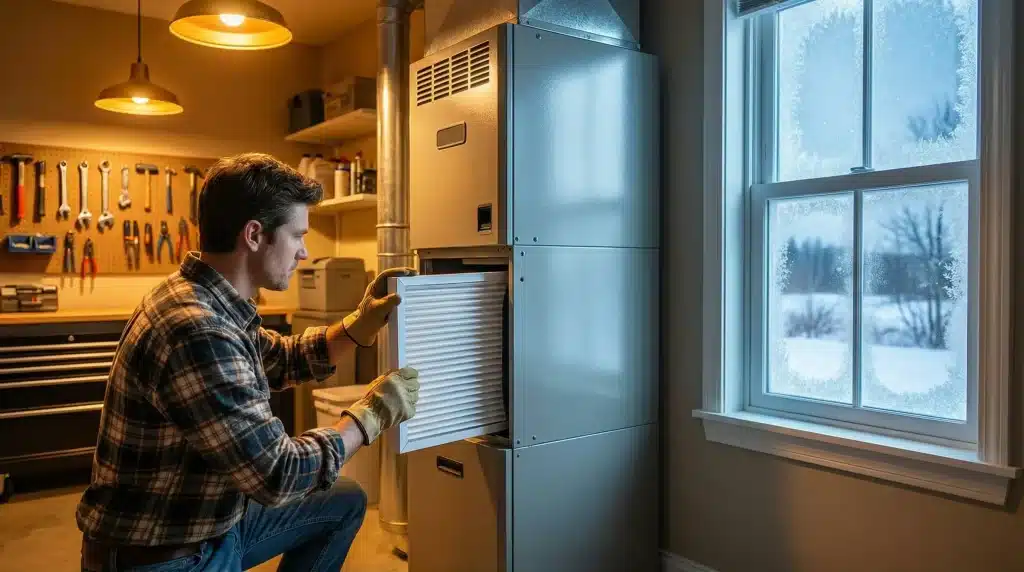
Start with the basics. A clogged filter is the most common reason heating systems underperform, and it’s also the easiest fix. When airflow gets restricted, the system compensates by running longer and harder, which wears down the blower motor and heat exchanger faster than normal.
Most standard filters need to be swapped every 1-3 months during peak use. Pets, dusty environments, or older ductwork push that toward the shorter end. The whole task takes under 5 minutes, and a replacement filter costs somewhere between $5 to $15. Few maintenance steps deliver that kind of return for that little effort.
Know What Your Climate Demands
Where you live shapes how hard your heating system works and how quickly components wear out. Colder climates lead to longer run cycles, which means filters, belts, and electrical parts degrade faster. But warmer climates aren’t off the hook either. Systems that sit idle for months collect dust and can develop issues from pure inactivity. For anyone looking into professional heater maintenance, Las Vegas residents deal with unique challenges. Their systems barely run most of the year, then get pushed hard as soon as a cold snap hits. Getting a check done before you actually need the heat is always the smarter call.
Test the Thermostat Before the Season Starts
Switch the thermostat to heat mode and nudge it a few degrees above room temperature. The system should respond within a minute or two. If it doesn’t, or if the temperature reading feels off, the thermostat may need calibration or replacement.
Older mechanical thermostats drift. It happens gradually, and most people don’t notice until the house is consistently too cold or too warm. Upgrading to a programmable or smart model is often worth considering. According to the U.S. Department of Energy, smart thermostats that automatically adjust to your schedule can cut heating costs by roughly 10-15 percent. That adds up over a full season.
Inspect the Heat Exchanger
This is the part where most homeowners don’t think about until something goes wrong. The heat exchanger in a gas furnace transfers warmth from the combustion chamber to the air moving through your home, all while keeping exhaust gases completely separate from the air you breathe. A crack in that component changes the equation entirely. Carbon monoxide can enter your living space without any visible signs.
Cracks often aren’t visible without the right tools and training. That’s why this one belongs on the professional inspection list, not the DIY checklist. Annual furnace tune-ups include this check as a standard item. And if you don’t have carbon monoxide detectors near sleeping areas and on every floor, add them before winter.
Clear Vents and Registers
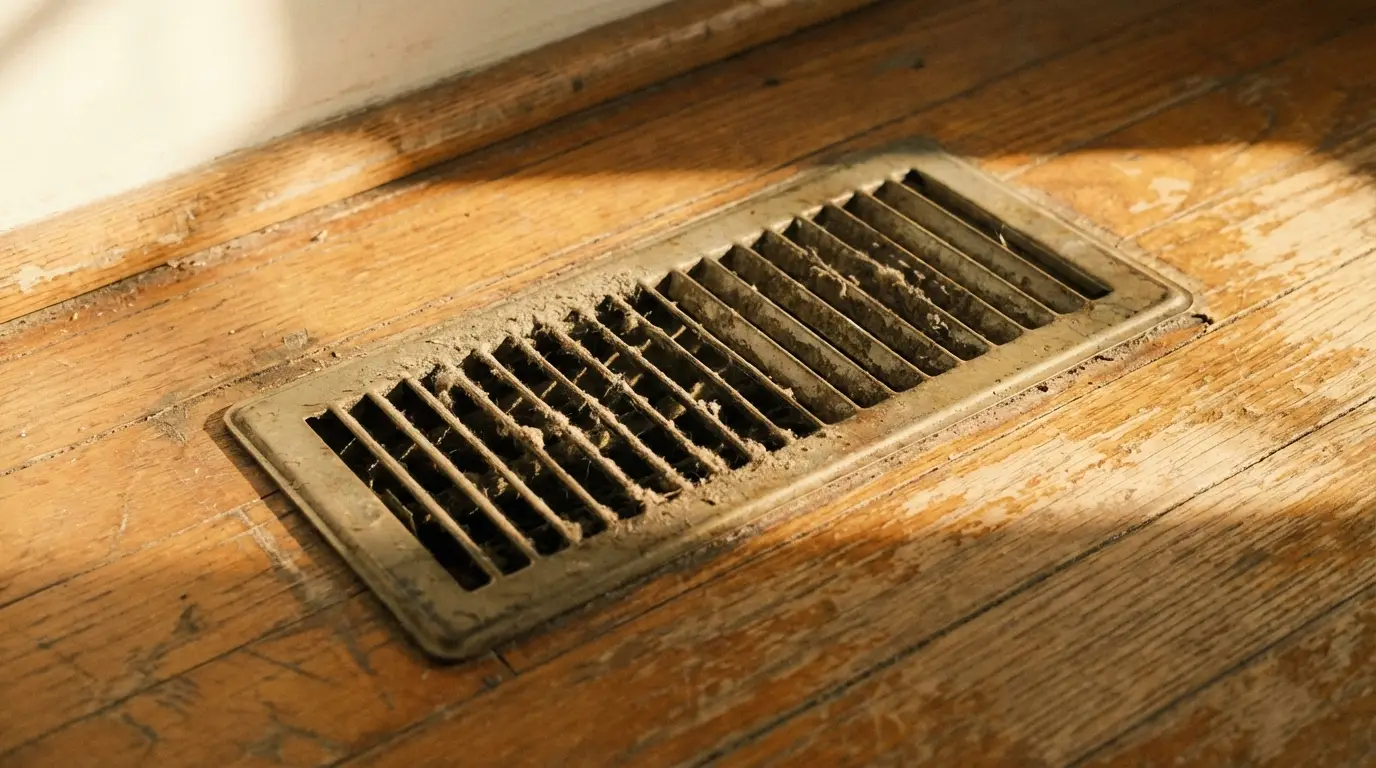
Walk the house and check every supply and return vent. You would be surprised how often a piece of furniture or a rug sits directly on top of one. Even partial blockage disrupts airflow and creates uneven temperatures from room to room.
Return vents are the ones most likely to get overlooked. They pull air back to the furnace, and when they’re blocked, the whole system ends up fighting itself. Vacuum the covers while you’re at it. Dust buildup there is more than cosmetic.
Check the Flue and Exhaust Vents
Before the first run of the season, check the exterior vent termination on your gas furnace or boiler. Birds and small animals nest in these openings during warmer months more often than you’d expect. Leaves and debris collect there, too.
A blocked flue can trigger a safety lockout, or worse, push exhaust gases back into the home. Walk the flue pipe inside the utility room as well and look for rust, disconnected sections, or visible damage. It takes about five minutes, and it’s worth doing every year.
Schedule a Professional Tune-Up Annually
There’s a limit to what you can catch on your own. A qualified technician checks gas pressure, tests electrical connections, measures combustion efficiency, and lubricates moving parts. More importantly, they spot things that are about to fail before they actually do. That’s usually the difference between a routine service call and an emergency repair in February.
Book it in early fall. HVAC companies fill up fast once the season gets going, and waiting until there’s a problem means waiting longer for a technician. Get ahead of it. The system runs better, and so does your peace of mind. Consistent upkeep keeps heating reliable and safe through the months that actually matter. A small investment of time before winter beats scrambling in the middle of it, every single time.